
Which AC Is Better? Single-Stage or Variable-Speed
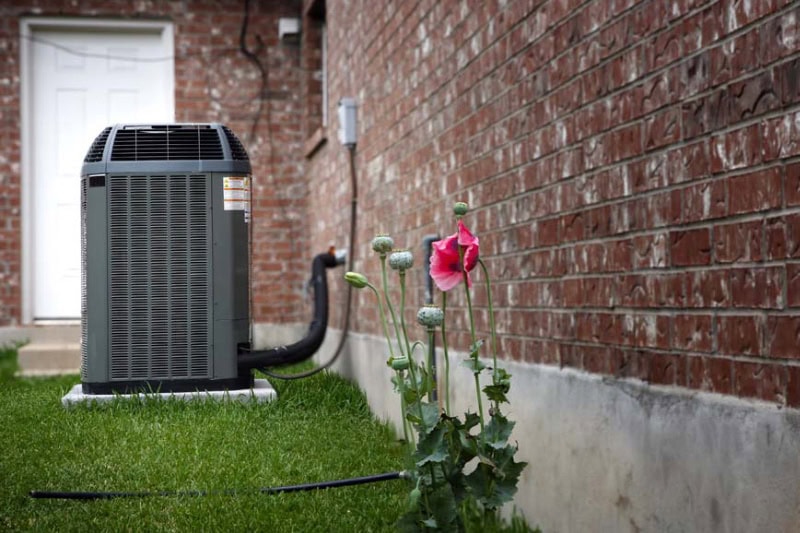
If you’re shopping for a new air conditioner and find yourself Googling “single-stage vs. variable-speed AC” or “which AC is better for my Myrtle Beach, home,” you’re not alone.
Choosing the right cooling system can feel like learning a new language—full of technical terms, performance claims, and price differences that leave you wondering what really matters.
The good news? Understanding the difference between single-stage and variable-speed ACs doesn’t have to be complicated. In fact, knowing how they work—and which one fits your comfort needs and budget—can help you make a smarter, more energy-efficient choice.
Whether you’re replacing an old system or just planning ahead, TNT Heating & Air is here to break it all down in plain English. Let’s explore how each type of air conditioner operates and which one might be the coolest fit for your home.
What Do Single-Stage and Variable-Speed Mean?
When we talk about single-stage and variable-speed air conditioners, we’re referring to how the system’s compressor and blower motor operate. These two components play a big role in how your AC cools your home.
The compressor is like the heart of your system—it pumps refrigerant through the coils to remove heat from the air.
The blower motor pushes that cooled air through your ductwork and into your living spaces.
A single-stage system runs at full blast whenever it’s on—there’s only one speed: high. On the other hand, a variable-speed system can adjust its output in small increments, running at different speeds based on your home’s cooling needs. This flexibility can lead to better comfort, higher energy efficiency, and quieter operation.
Let’s go into some more detail:
What Does Single-Stage Air Conditioner Mean?
A single-stage air conditioner is the most basic type of cooling system. It has one setting: full power. When it turns on, it runs at 100% capacity until your home reaches the temperature set on your thermostat. Once that happens, it shuts off completely. This on/off cycling continues throughout the day to try and maintain your desired comfort level.
Because it’s either all in or all off, a single-stage system can lead to noticeable temperature swings, higher energy use, and more wear and tear over time. However, it’s often more affordable upfront and may be perfectly suitable for smaller homes or mild climates. If your current AC tends to blast cold air, then go quiet for a while—then repeat—it’s likely a single-stage model.
What Does Variable-Speed Air Conditioner Mean?
A variable-speed air conditioner, on the other hand, can adjust its output across a wide range of speeds. Rather than turning on full blast, it ramps up or down depending on how much cooling your home actually needs. Most of the time, it runs at a lower speed to maintain a steady, comfortable temperature.
This approach makes variable-speed systems much more energy-efficient and quieter than single-stage units. They’re ideal for improving comfort, controlling humidity, and saving on monthly energy bills—especially in warmer, more humid climates like Myrtle Beach.
What Are the Benefits of Each Type?
As with anything else, these two types of air conditioners each have benefits. Carefully examining these benefits and how they might apply to your lifestyle can help you decide on what will be the optimum fit for your home and budget.
While the variable-speed air conditioners offer more overall benefits than single-stage systems, budgetary needs do come into play when making a purchase of this size. One of the primary benefits of a single-stage unit is its lower up-front costs.
If pricing is the top factor in determining which system to choose, a single-stage air conditioner is the forerunner in this category.
Single-Stage Air Conditioner Benefits
- Least expensive to purchase and install
- The oldest cooling technology, sometimes considered tried and true
- Fewer chances for something to go wrong due to simpler technology
Variable-Speed Air Conditioner Benefits
- Reduced indoor humidity or moisture
- Lower energy costs to operate
- More precise and even temperatures throughout your home with fewer hot and cold spots
- More efficient in energy, also due to less short cycling
- Ideal for zone control systems
- Quieter operation since it typically runs at low speed
- Usually, there is higher indoor air quality since the fan continually circulates the air
Contact TNT Heating & Air for Your Air Conditioner Needs
Choosing between a single-stage and variable-speed air conditioner comes down to your comfort preferences, energy goals, and budget. Single-stage systems are simple and budget-friendly, while variable-speed systems offer better temperature control, improved efficiency, and quieter performance.
If you’re unsure which option is right for your home, the HVAC experts of Myrtle Beach, are here to help. TNT Heating & Air will walk you through your options, explain what works best for your space, and make sure you get a system that keeps you cool for years to come.
Whether you’re replacing an outdated unit or upgrading to something more efficient, we’re just a phone call away. Contact (843)405-7002 or request service online to schedule a free estimate or consultation—we’ll help you find the perfect AC system to fit your home and your lifestyle.
Need HVAC Service?
Contact the experts at TNT Heating & Air.
Call us at (843)405-7002 !